When this service may be right
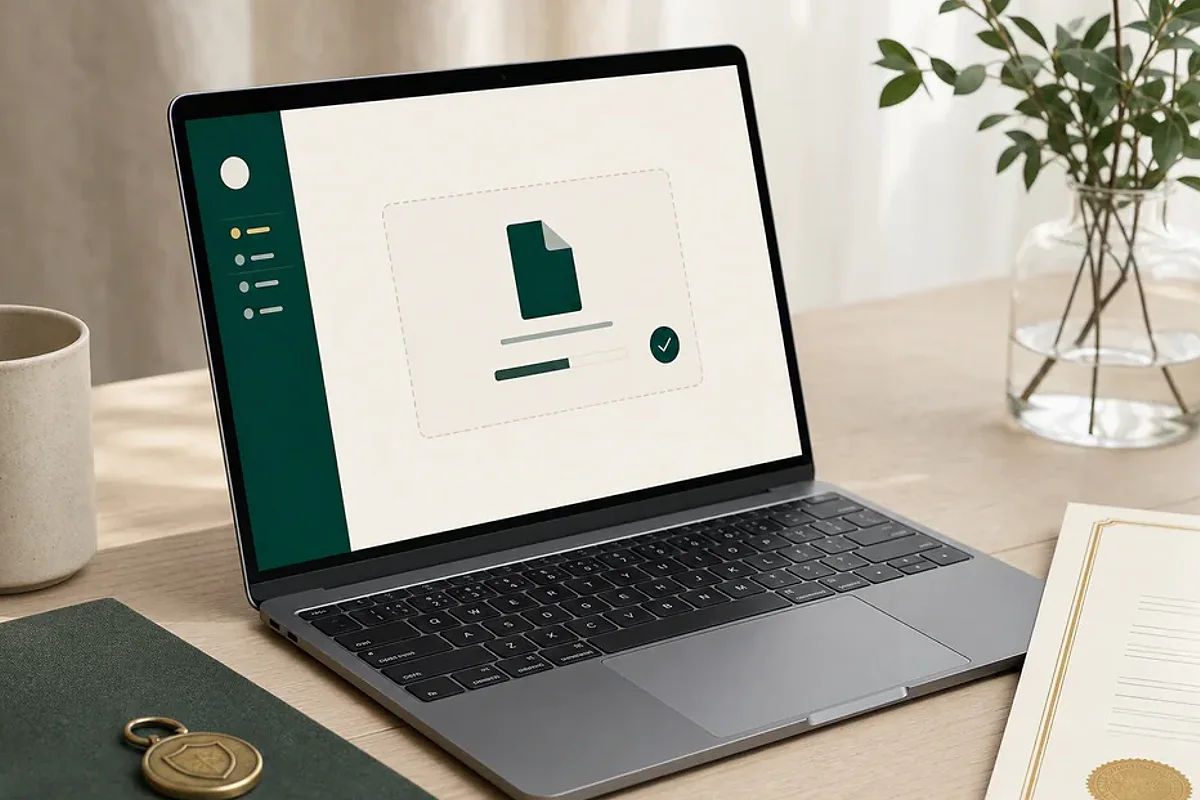
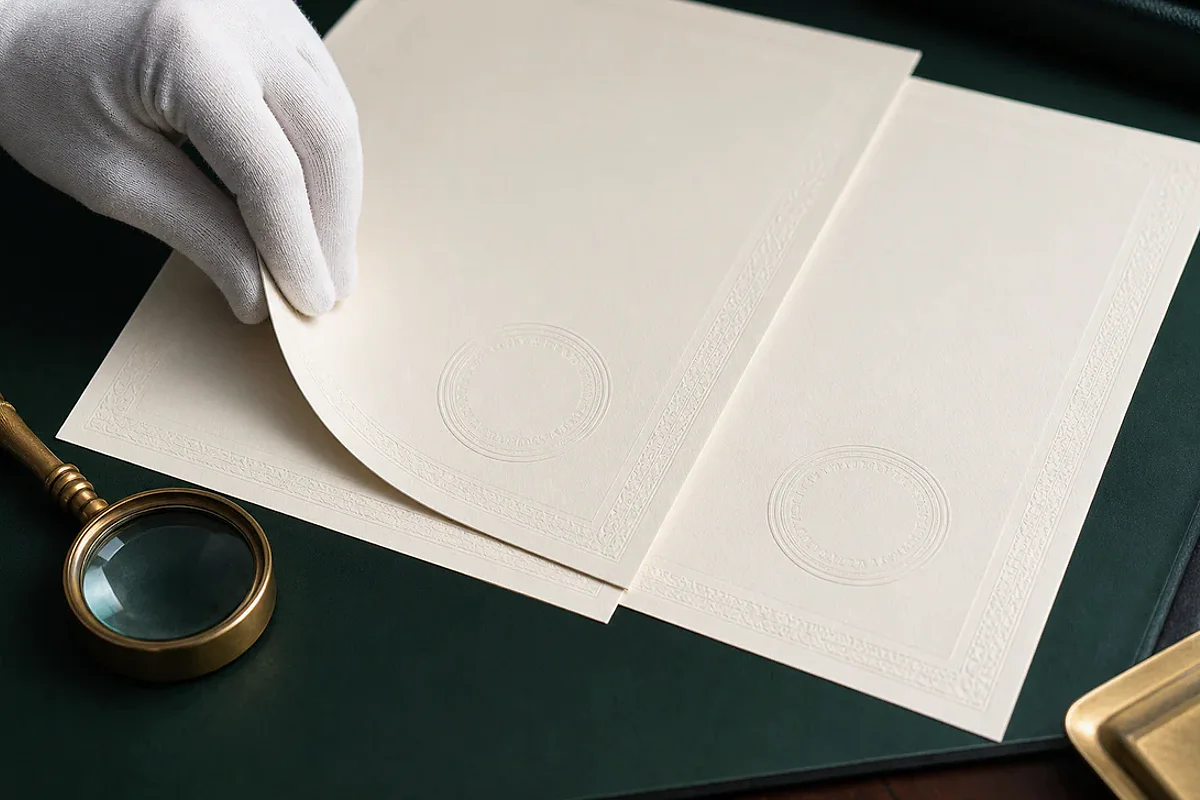
A document is normally apostilled by the competent authority in the country where it was issued. We help distinguish that foreign process from any further handling in Sweden. What matters is not only the name of the service, but which fact the recipient wants certified and the form in which the document must be submitted.
Important for this particular case
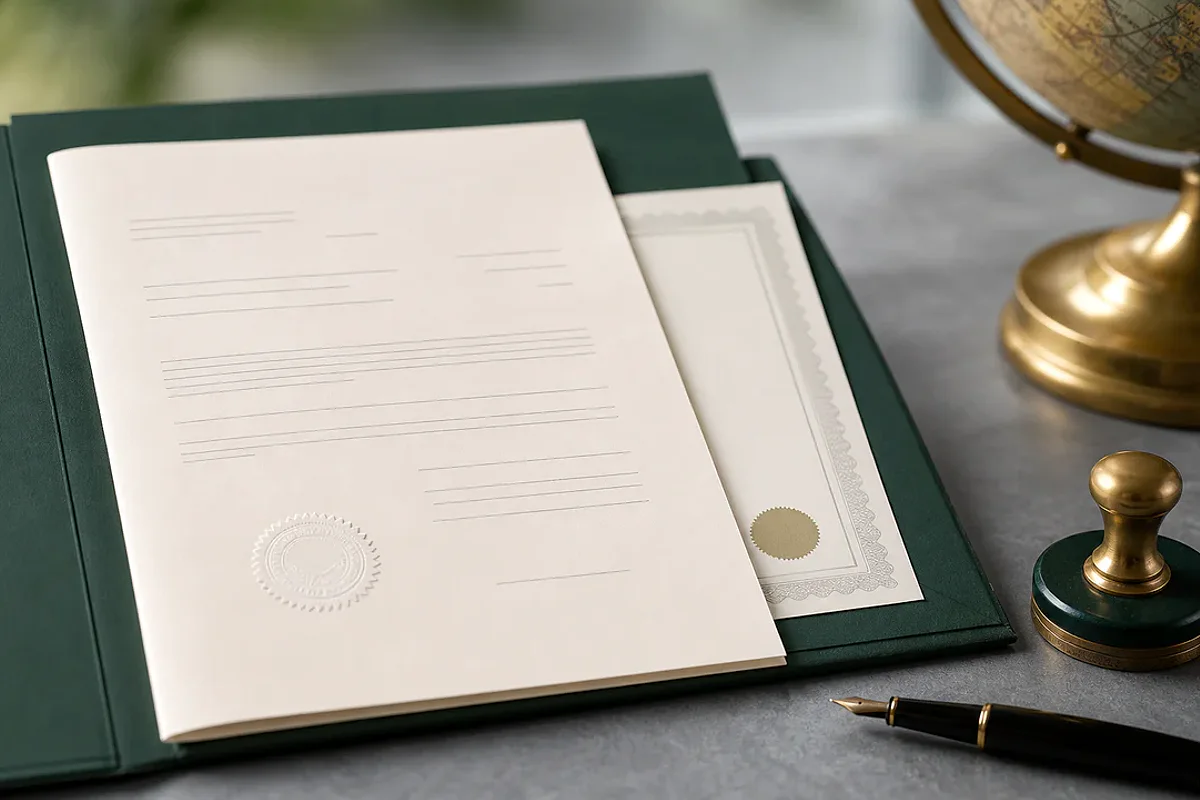
An apostille is normally issued in the country of origin by the authority designated by that country. A foreign document therefore does not usually become a Swedish apostille case merely because it will be used or submitted in Sweden.
What is checked before you start
A good initial review catches the wrong document version, missing signatures and unclear language requirements before they cause extra cost or delay. Include the recipient’s exact wording if you have it.
- The issuing body, date and completeness of the document
- Destination country and type of recipient
- Original, certified copy or digital document
- Signature, witnesses, seal and language
How the case proceeds
Start with a legible copy and the key case details. After review, you receive a document list and the correct sequence: what to obtain, whether anything must be signed before a notary public, when translation should take place and whether an original needs to be sent. Official certifications are performed by the relevant competent provider.
Common mistakes to avoid
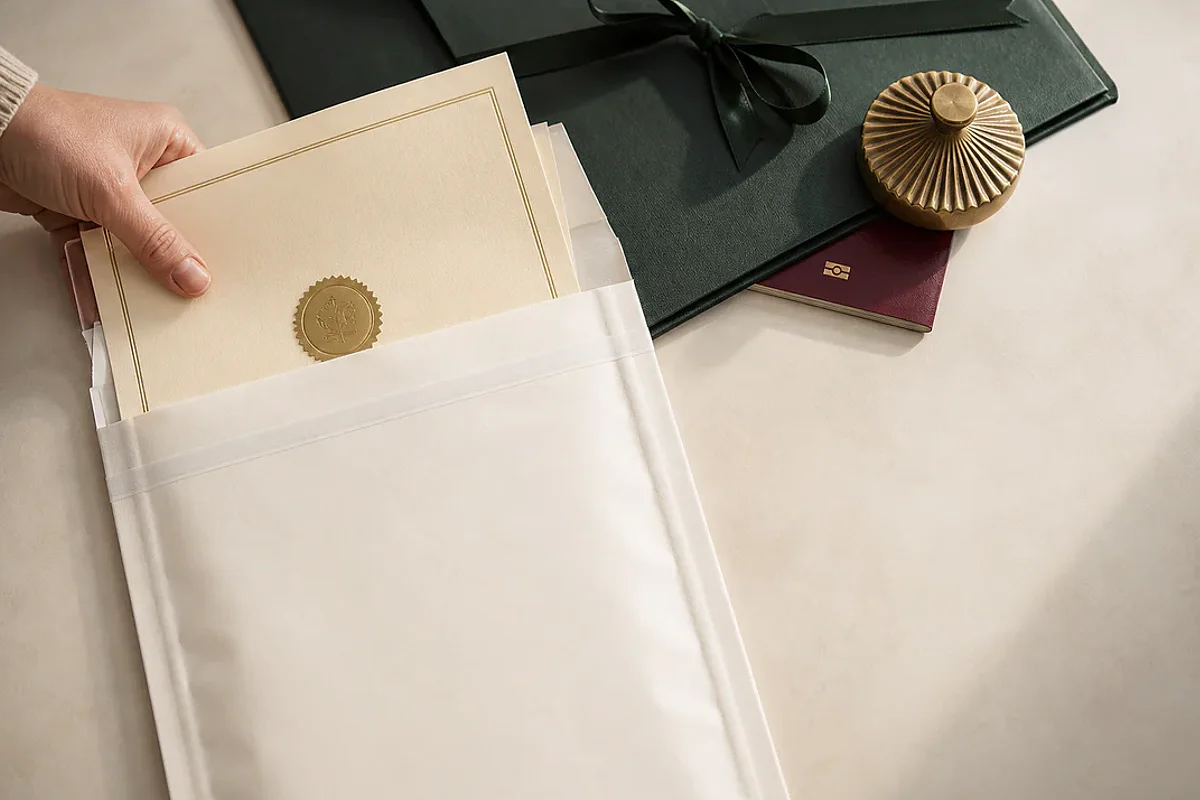
Do not sign a power of attorney in advance if the signature must be witnessed. Do not order a translation until you know which document version will be used. Do not send an irreplaceable original without instructions, a return address and tracked delivery.